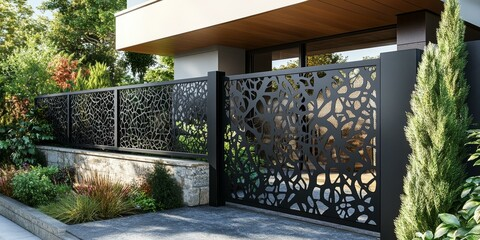
The type of metal you choose for your fence or gate can enhance security, define property boundaries, and reflect architectural styles. The choice also impacts maintenance and cost.
Wrought iron is the classic choice for residential properties seeking to add ornate style and durability. It can also be crafted to fit a variety of architectural designs. Visit Metal Gate and Fence to learn more.
Wrought Iron
Iron is a versatile metal that can be shaped and welded into many forms. It’s also durable and rust-resistant, which makes it a great choice for gates and fences that need to stand up to harsh weather conditions. Wrought iron is an expensive material, but it’s known for its elegance and durability, and can add to the value of your home.
Wrought iron is a malleable variant of iron that contains very little carbon, allowing it to resist corrosion and retain its shape when hammered or rolled. This type of iron was made in bloomeries during the Middle Ages using direct reduction methods. It was later replaced by the finery processes, including the German and Walloon methods. These were in turn replaced by puddling.
Unlike steel, wrought iron is relatively easy to weld and can be crafted into intricate designs. It can be painted or left unpainted, although regular washing and a coat of protective paint is recommended to preserve its appearance. Wrought iron is also incredibly strong, making it an excellent option for gate and fence construction. This strength helps to prevent damage from intruders and other forces, and can help to deter attempts at climbing.
Adding a wrought iron gate to your home is an excellent way to enhance its curb appeal and security while providing a strong deterrent against intruders. It’s also highly durable, withstanding decades of wear and tear while still looking beautiful. With routine cleaning, a protective coating, and occasional maintenance, a wrought iron gate can last for years while maintaining its elegance and adding to your property value. It’s also an environmentally friendly option, as wrought iron is made from natural materials and is recyclable.
Steel
Steel is a common material for gates and fences due to its strength, durability, and affordability. It can withstand heavy winds and rain without damage, and it is highly resistant to corrosion. Unlike wooden or vinyl fences, it is not susceptible to insect infestations or mold growth. It is also impervious to termites and other wood-eating pests. Moreover, it is not easily damaged by chemicals or other substances. It is also not prone to rusting when treated with proper anti-rust coatings. This makes it a popular choice for industrial, construction site, and safety isolation fencing.
Metal fencing is an attractive alternative to other types of fences, especially for urban environments with busy traffic patterns and pedestrians. A well-designed metal fence will delineate space, guide traffic, and make a statement about the property’s owner. These fences are also more effective at preventing trespassing, and they are an excellent deterrent to thieves. Additionally, they can be adorned with pointed tops or spikes to make them even more intimidating.
Many home buyers today are concerned about environmental issues and are looking for eco-friendly features in their homes. Certain types of steel can be made from recycled materials and require less energy to produce. Additionally, they don’t use harmful chemicals or processes in their production. This means that they are a good alternative to wood or aluminum fences for those who want to be environmentally responsible.
While a metal gate or fence may be more expensive than a wooden or vinyl one, the initial investment pays off in the long run. Metal fences and gates are more durable than their counterparts, which means they will last longer and require fewer repairs over time. Furthermore, they are easier to clean than other types of fencing and require fewer maintenance hours.
Wrought iron gates are an elegant addition to your home or business, and they can be designed in a variety of styles and finishes to complement any architectural design. They are also highly customizable, and you can choose from a wide range of colors and textures to suit your aesthetic preferences. Furthermore, you can also customize the artwork on these gates and fences to reflect your personality or innate style. The professionals at Azi steel can create extraordinary designs for your gates and fences with extreme artistry and finesse.
Aluminum
Aluminum is a durable and attractive fencing material that resists corrosion. It can withstand the elements—from summer’s heat to winter’s icy chill and spring’s endless showers—without rusting or corroding. Aluminum fences and gates also don’t rot like wood or become brittle with age.
Because of these qualities, aluminum is an ideal choice for those who want a safe and sturdy yard enclosure without spending a fortune. However, it’s important to note that while aluminum is strong and aesthetically pleasing, it doesn’t stand up to heavy impacts like steel.
When selecting an aluminum gate, you should choose a quality manufacturer that offers options with different gauges and finishes. This ensures that you’ll be able to find the perfect gate for your property and lifestyle needs. TYMETAL is one such company, offering low decorative aluminum fencing and high security electric gates made from 6063-T6 or 6105-T6 alloys.
Choosing the right metal for your gates and fences isn’t a simple decision. There are many factors to consider, including your budget, privacy needs, and climate. It’s best to consult professionals who can offer expert advice tailored to your specific circumstances and help you weigh the pros and cons of each option.
The professionals at Kloeckner Metals can assist you in selecting the correct aluminum alloy for your gates and fences. They’re experts in the field and combine a national footprint with state-of-the-art fabrication and processing technologies and customer service solutions.
For example, they can help you design an elegant wrought iron-style gate for your entryway while keeping within your budget. Or, they can help you build a beautiful backyard fence with an open layout that maximizes your privacy and functionality. The bottom line is that the right gates and fences can dramatically improve your home’s curb appeal and increase your property value. Kloeckner Metals can help you make the most of your investment by guiding you to the right solution. Call today to speak with a professional. You can also download our aluminum spec sheet and check out the other alloys we routinely stock. We look forward to hearing from you!
Cast Iron
The use of iron wrought gates and fences can add a timeless, classic aesthetic to your home or business. They also offer the strength and security you desire to keep unwanted intruders out, while keeping children or pets in a safe environment. Iron is less susceptible to physical damage than other fencing materials and requires little to no maintenance.
Wrought iron is much more expensive than other options, but it’s an investment that will last you a long time and improve your property’s value. This durable material will hold up to the elements and trauma, and can be reshaped into new styles to fit your needs.
Cast iron is a type of ferrous metal that has been used in construction and outdoor ornament for centuries. It is primarily composed of iron (Fe) and carbon, but can also contain traces of manganese, sulphur, silicon, and phosphorus. Like steel, cast iron is stronger in compression than it is in tension, but it can be made to flex and move with the loads placed upon it, which makes it an ideal material for columns and structural beams.
Unlike steel, cast iron has a high percentage of carbon in its molecular structure. This carbon is typically present as graphite, and its composition influences the durability of the material. The amount and structure of the graphite in the alloy will also influence its ductility, as well as its ability to resist corrosion.
Corrosion rates are accelerated by factors such as water, salt air, soils, cements, ashes, and acids. Detailed castings can also promote corrosion, as these features create pockets that collect and hold moisture and corrosive agents.
The decision to choose wrought or aluminum will come down to your priorities and specific requirements. Wrought iron offers the superior strength and classic look that many people want in their homes, while aluminum is a cheaper option that can be used to achieve a modern, stylish look. The choice between these two types of fencing materials will also depend on the environmental considerations you want to make, as wrought iron is more energy-intensive than aluminum and therefore not as environmentally friendly.